 CytoSnap
Chromosome identification: how to tell the chromosomes apart
Every human chromosome can be identified from a G-banded image, but not from one feature alone. Technologists read three clues in the same order every time, and each clue narrows the answer. This guide gives the order, then one dependable landmark for each chromosome, then the pairs that trainees mix up most.
The three clues, in order
- Size. The autosomes are numbered roughly from largest to smallest, so length gets you to the right neighbourhood. One exception is worth remembering: chromosome 21 is slightly smaller than 22.
- Centromere position. The pinch sits in the middle (metacentric), off-centre (submetacentric) or near one end (acrocentric). Size plus centromere position gives the group, A to G.
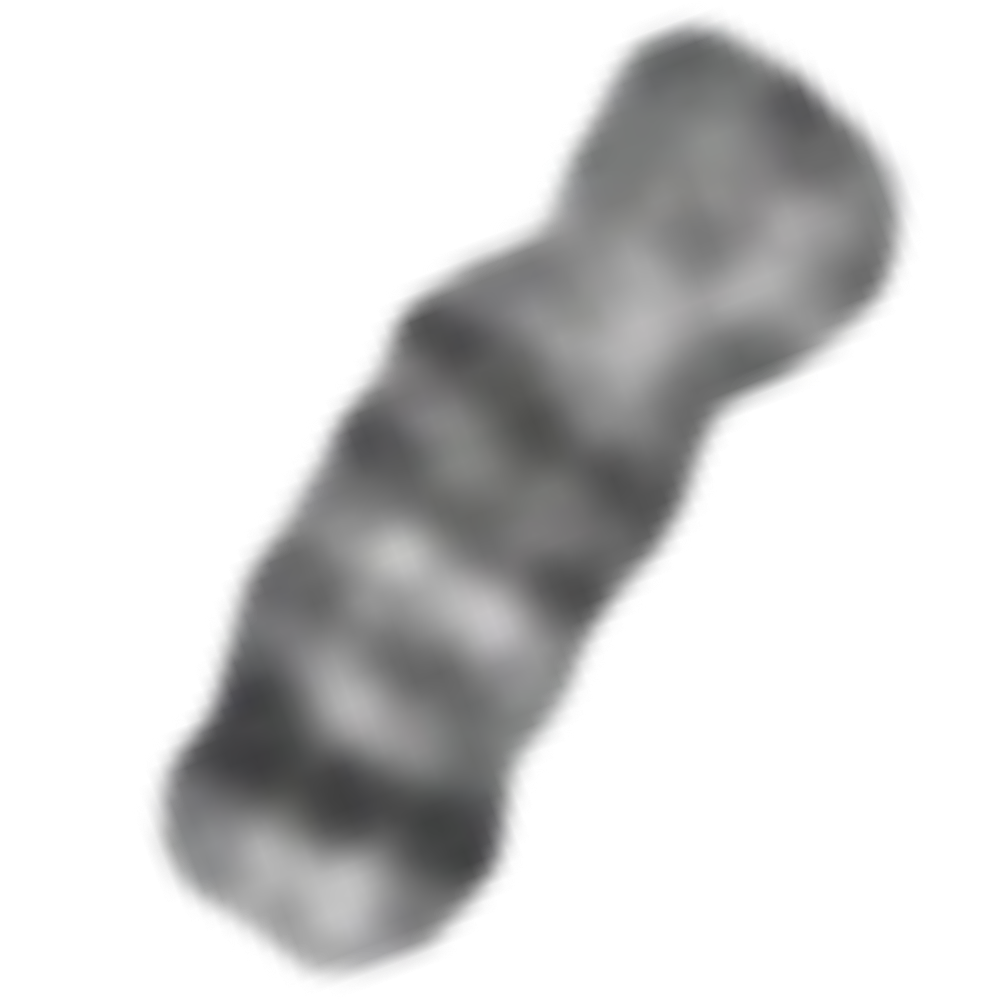
- Band pattern. The light and dark G-bands are different on every chromosome. This is the clue that settles the number, and it only works once the chromosome is upright, short arm on top.
The group table is in the how to karyotype guide. The landmarks below pick up where it stops.
A landmark for every chromosome
These describe a typical mid-resolution G-banded chromosome. Band detail changes with how condensed the cell is, so treat each landmark as the first thing to look for, not the only thing.
| Chromosome | Group | What to look for |
|---|---|---|
| 1 | A | The largest, metacentric. A block of variable heterochromatin sits just below the centromere on the long arm, and the far half of the short arm is pale. |
| 2 | A | Nearly as long as 1 but with the centromere clearly off-centre. Dark bands are spread fairly evenly along both arms. |
| 3 | A | Metacentric and close to symmetrical, with a pale zone around the centromere and a dark band in the middle of each arm. |
| 4 | B | Short p arm. The long arm carries several dark bands of similar strength, giving an even look. |
| 5 | B | Short p arm. The long arm has a broad dark block in its middle, then a pale zone, then a dark band near the end. |
| 6 | C | A wide pale band in the middle of the short arm. |
| 7 | C | A dark band close to the tip of the short arm, and two strong dark bands on the long arm. |
| 8 | C | No single strong landmark, which is itself the clue. The banding is fairly even, with a dark band toward the end of the long arm. |
| 9 | C | A pale, variable heterochromatin block just below the centromere, often seen as a narrowing. |
| 10 | C | Three dark bands on the long arm, with the one nearest the centromere the strongest. |
| 11 | C | Centromere nearer the middle than in 12. On the long arm, a pale stretch separates the centromere from a broad dark band. |
| 12 | C | Shorter p arm than 11. The broad dark band on the long arm sits closer to the centromere. |
| X | C | Between 7 and 8 in size. One dark band in the middle of the short arm and one on the upper long arm, about the same distance either side of the centromere. |
| 13 | D | Acrocentric. The dark bands sit in the lower half of the long arm. |
| 14 | D | Acrocentric. A dark band near the centromere and another near the end, with a paler middle. |
| 15 | D | Acrocentric and the palest of the three, with its darkest band in the middle of the long arm. |
| 16 | E | The most nearly metacentric of the group, with a variable heterochromatin block beside the centromere on the long arm. |
| 17 | E | A pale stretch on the upper long arm followed by a dark band lower down. |
| 18 | E | The shortest p arm in the group, and two dark bands on the long arm. |
| 19 | F | Small, metacentric and pale all over, with a dark centromere. |
| 20 | F | Small and metacentric, with a darker short arm and a paler long arm. |
| 21 | G | The smallest acrocentric. A dark band takes up much of the upper long arm. |
| 22 | G | Acrocentric and paler than 21, with a small dark band close to the centromere. |
| Y | G | Size varies between people. No satellites, long arms that tend to lie parallel, and a variable dark block at the end of the long arm. |
The look-alike pairs
- 4 and 5. Ignore the size. Even banding on the long arm is 4; a dark middle block with a separate dark band near the end is 5.
- 9, 10, 11 and 12. Find the pale block under the centromere for 9, the three bands for 10, then split 11 from 12 by how far the broad dark band sits from the centromere.
- 7 and X. The dark band at the tip of the short arm belongs to 7. On the X the dark band is in the middle of the short arm.
- 13, 14 and 15. Ask where the dark is: low for 13, top and bottom for 14, middle for 15.
- 17 and 18. A clear short arm and a pale upper long arm is 17. A stubby short arm with two dark long-arm bands is 18.
- 21, 22 and Y. Dark and smaller is 21. Pale with a dot near the centromere is 22. No satellites and a dark end is the Y.
Practise chromosome identification
Landmarks stick when you use them. In the CytoSnap Learn path, the lesson "Every chromosome, band by band" tours all 24 on real images, and the placing lessons then test you with the labels removed. Open the Learn path, read how the karyotype tutor coaches each step, or follow the full karyotype training plan. To see an idealised band map of any chromosome, CruxSci's free KaryoSnap draws one from an ISCN string.